Executive Orders: The Ultimate Guide To Understanding Presidential Authority - Debates over executive orders often focus on issues such as transparency, accountability, and the proper balance of power between the branches of government. These discussions reflect ongoing efforts to refine the system of checks and balances within the U.S. political framework. In this comprehensive guide, we will delve deep into the world of executive orders, exploring their history, legal basis, implementation, and impact on American politics. Whether you're a political science enthusiast, a student, or simply someone interested in understanding how the U.S. government works, this article will provide you with all the information you need to grasp the complexities of executive orders.
Debates over executive orders often focus on issues such as transparency, accountability, and the proper balance of power between the branches of government. These discussions reflect ongoing efforts to refine the system of checks and balances within the U.S. political framework.
Congressional statutes also play a role in shaping the scope of executive orders. When Congress delegates authority to the president, it enables the executive branch to issue orders related to specific areas of governance. However, the judiciary has the final say in determining whether an executive order is constitutional or exceeds presidential authority.
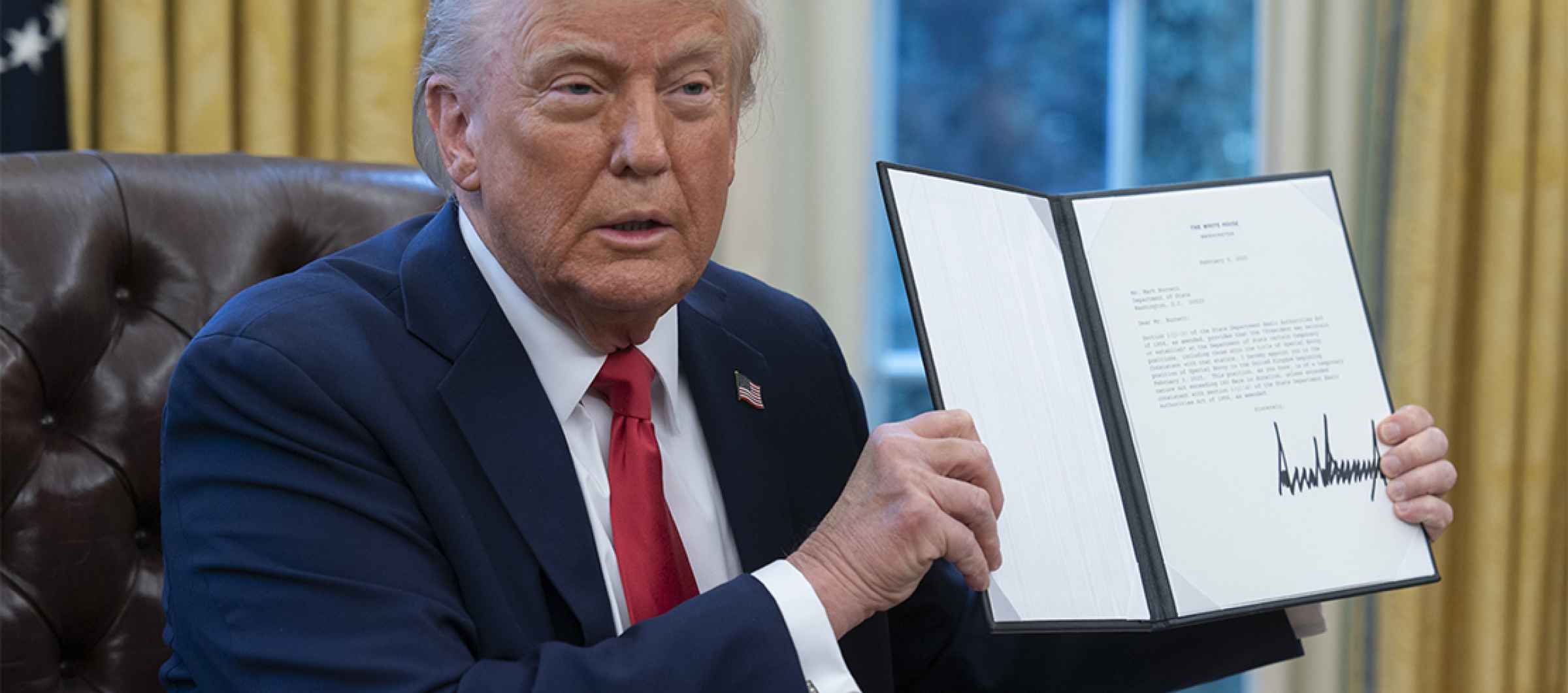
Unlike laws passed by Congress, executive orders do not require legislative approval. However, they can be challenged in court if deemed unconstitutional or outside the scope of presidential authority. Executive orders are numbered sequentially and published in the Federal Register, making them accessible to the public.
Some of the most famous executive orders in history include Abraham Lincoln's Emancipation Proclamation, Franklin D. Roosevelt's establishment of internment camps during World War II, and Harry Truman's desegregation of the armed forces. These orders demonstrate the potential impact executive orders can have on shaping the nation's history and policies.
Executive orders have long been a source of controversy, with critics arguing that they represent an overreach of presidential power. Proponents, on the other hand, view them as a necessary tool for addressing urgent issues when legislative action is slow or impossible.
Congress also has the power to nullify executive orders through legislation, although this requires overcoming potential presidential vetoes. These checks and balances ensure that executive orders remain within the bounds of constitutional governance.
We encourage readers to share their thoughts and insights in the comments section below. Additionally, feel free to explore other articles on our site for more in-depth analysis of topics related to governance and public policy. Together, we can deepen our understanding of the complexities of American democracy and its institutions.
Executive orders play a crucial role in shaping public policy by allowing presidents to take swift action on pressing issues. They enable the executive branch to respond to emergencies, implement legislative priorities, and address gaps in existing laws. However, the effectiveness of executive orders depends on their implementation and enforcement by federal agencies.
These orders highlight both the potential benefits and risks of executive orders, underscoring the need for careful consideration and oversight.
Executive orders are an essential tool used by presidents to direct the operations of the federal government, enforce laws, and implement policies. These legally binding directives have been a part of the U.S. political system since the founding of the nation, allowing presidents to take swift action on important matters without waiting for congressional approval. However, executive orders remain one of the most debated and controversial aspects of presidential power, often sparking debates about their scope, limits, and implications for democracy.
Executive orders are official directives issued by the President of the United States that have the force of law. They allow the president to manage the operations of the federal government, direct federal agencies, and implement policies without requiring congressional approval. While they are powerful tools, executive orders must be rooted in the president's constitutional authority or existing statutes.
Executive orders derive their authority from Article II of the U.S. Constitution, which grants the president the power to "take Care that the Laws be faithfully executed." This clause provides the foundation for the president's ability to issue executive orders, as long as they align with constitutional principles and existing laws.